DISCLAIMER: Paid legal advertisement. Phillips Law Group (700 Flower St, Suite 1000, Los Angeles, CA 90017) is responsible for this ad. A California-licensed attorney is associated for California cases. This ad uses paid actors, dramatizations, and AI-generated content for illustration only and does not depict real clients or events. No guarantee of results. Cases may be referred to, or jointly handled with, other attorneys.

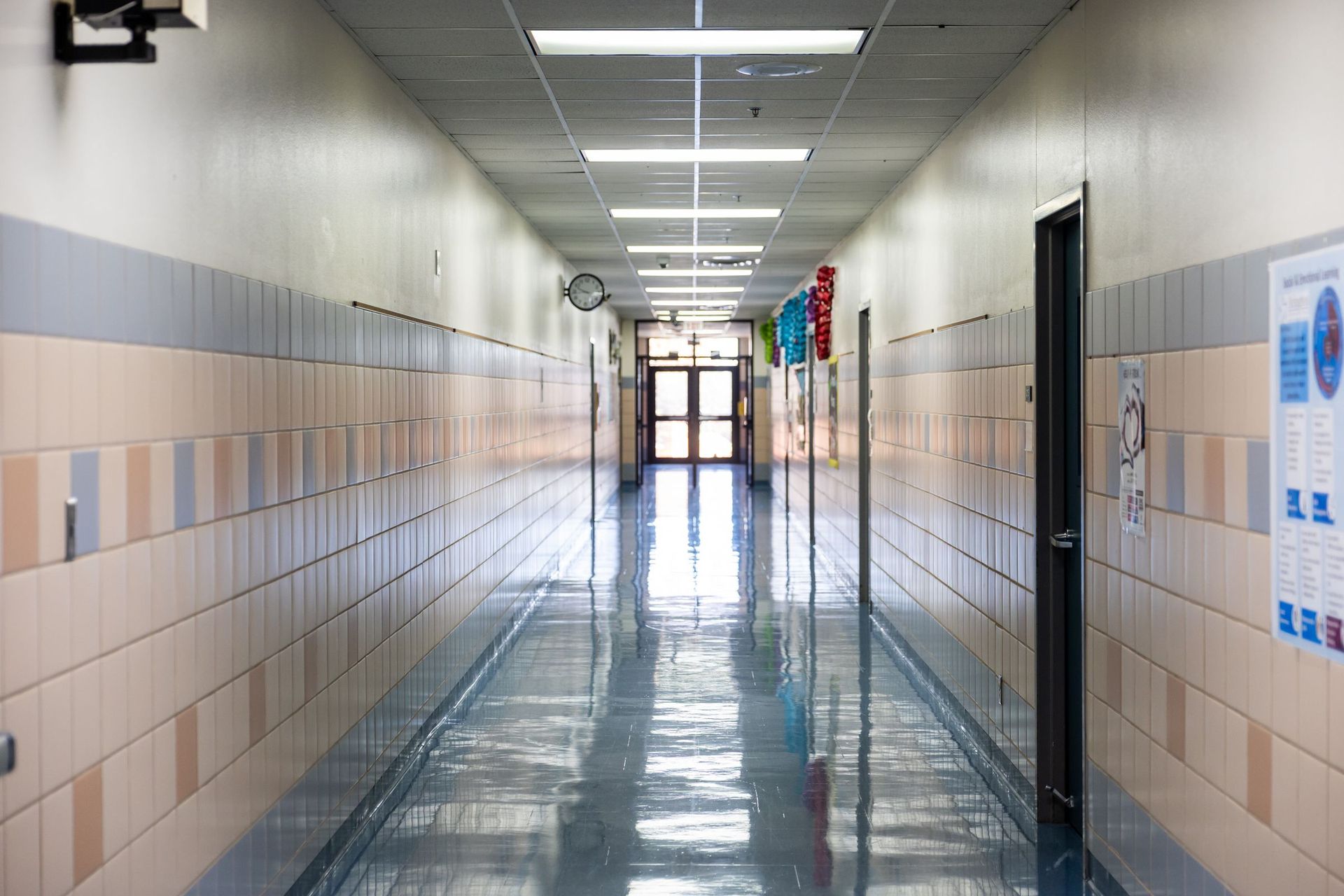
An empty, brightly lit school corridor

For survivors of childhood abuse in California

Sexually Abused as a Child by Someone at a California School, Church, or Youth Program?

If you were sexually abused before age 18 in a California institution that should have protected you, you may have legal options, even if it happened many years ago. A participating attorney can review your situation for free and in confidence.

It was not your fault. You are not alone, and it is not too late to ask.

  • Free and confidential
  • No obligation
  • About 2 minutes
This website is for survivors of childhood sexual abuse that happened in California.You can live anywhere now.
An empty school hallway lined with lockers
What this is about

What is institutional sexual abuse in California?

Institutional sexual abuse means sexual abuse of a child under 18 by someone connected to an organization that was responsible for that child, such as a teacher, coach, clergy member, counselor, volunteer, or staff member.

Many of these cases share a pattern: the institution knew or should have known about the risk, and failed to take reasonable steps to prevent the abuse, report it, or remove the person responsible.

Under 18 at the time

The abuse happened when you were a child or teenager, whatever your age is now.

Inside an institution

It involved staff, a volunteer, or someone in authority at an organization responsible for children.

Warning signs ignored

The institution knew, or should have known, about the risk and failed to protect you.

More time to file

California has expanded the deadlines for childhood sexual abuse claims.

Institutional settings may include

  • Schools and school districts
  • Churches and religious organizations
  • Youth organizations and clubs
  • Sports programs and coaches
  • Summer and day camps
  • Foster care
  • Juvenile detention facilities
  • Residential treatment centers
  • Medical settings
  • Other programs serving minors
Who may qualify

You may be eligible for a claim if…

You were sexually abused as a child in a California institutional setting, and the abuse caused you harm. Every situation is different, and only a licensed attorney can evaluate a claim.

Types of abuse that may qualify

  • Sexual assault or battery
  • Unwanted sexual touching, over or under clothing
  • Sexual exploitation or trafficking
  • Grooming a child for sexual purposes
  • Indecent exposure
  • Creating or sharing sexual images of a minor

Harm that may qualify

  • PTSD, anxiety, depression, or other trauma-related conditions
  • Self-harm or thoughts of suicide
  • Substance use linked to the trauma
  • Changes in behavior, school performance, or relationships
  • Therapy, counseling, or medical treatment because of the abuse
A therapist talks with a teenager in a calm, softly lit office
Do you need a diagnosis? A formal diagnosis or treatment records may help, but they are not always required. Many survivors notice emotional or behavioral changes long before they put a name to them.
California law

California has expanded the time survivors have to come forward

For years, short deadlines kept many survivors of childhood sexual abuse out of court. California has changed that.

  • AB 218 (2019) generally allows survivors to bring a civil claim until age 40, or within 5 years of discovering that the abuse caused their harm, whichever is later. It also opened a temporary window to revive older claims, which closed at the end of 2022.
  • AB 452 (2023) eliminated the civil filing deadline for childhood sexual assault that occurs on or after January 1, 2024.

Deadlines depend on the facts of each case, such as when the abuse happened, your age, and who is responsible. An attorney must evaluate your situation, so it is a good idea to ask soon.

What institutions are expected to do

Organizations that supervise or care for children have a legal duty to protect them. An institution may be held responsible if it failed to:

  1. 1

    Screen

    Properly screen and background-check employees and volunteers who work with children.

  2. 2

    Respond

    Take complaints and warning signs seriously, and act on them.

  3. 3

    Report

    Report suspected abuse to the authorities as California law requires.

  4. 4

    Supervise

    Supervise staff, keep known risks away from children, and follow protective policies.

Mandated reporters in California

California law requires many adults who work with children to report suspected child abuse, including sexual abuse, to the authorities. They include:

  • Teachers and school administrators
  • Coaches and youth program staff
  • Doctors, nurses, and other health care workers
  • Social workers and counselors
  • Clergy members
  • Child care providers
  • Foster care and juvenile facility staff
You are not alone

Why coming forward can feel so hard

Pursuing justice after childhood abuse can be emotionally demanding. These challenges are common, and none of them mean you do not have options.

  • Telling someone can take years

    Many survivors do not disclose abuse until adulthood. Fear, manipulation by the abuser, shame, or simply being too young to understand what happened are common reasons. Delayed disclosure is normal.

  • Institutions may deny what happened

    Schools, churches, and other organizations sometimes dispute what they knew or try to avoid responsibility. An attorney can look into what the institution knew and when.

  • Privacy matters

    Many survivors worry about being identified or about reliving painful memories. You decide how much to share and whether to move forward, and attorneys can explain the ways your privacy may be protected.

How it works

Three simple steps

Getting a free review takes a few minutes, and you decide what happens next.

  1. 01

    Answer a few questions

    Our assistant asks a few short questions about what happened. There are no wrong answers, and you can stop at any time.

  2. 02

    Share how to reach you

    If you choose to continue, add your contact details so someone can follow up privately.

  3. 03

    Talk with a participating attorney

    A participating attorney or their intake team may contact you to talk through your options. There is no obligation.

Private from the first tap

The assistant opens right on this page. You can stop at any time, and you decide whether to submit your contact details.

Check if you qualify

Support is available now

  • In immediate danger? Call 911.
  • RAINN National Sexual Assault Hotline: 1-800-656-4673 or rainn.org, free and confidential, 24/7.
  • 988 Suicide & Crisis Lifeline: call or text 988.
A counselor listens attentively to a young womanTrauma-informed support
What to expect

Compassionate, confidential support

  • Confidential and judgment-free

    What you share is private. Asking for a review is free, and you are under no obligation to move forward.

  • Trauma-informed attorneys

    Your information goes to a participating attorney who handles childhood sexual abuse cases and understands how hard it can be to come forward.

  • No cost to get a review

    There is no charge to submit your information or have your situation reviewed. These cases are often handled on a contingency-fee basis, meaning no attorney fee unless there is a recovery. Fee terms and case costs vary, so ask the attorney and read the agreement before you sign.

Sunset over the Pacific Ocean with palm tree silhouettes on the California coast
Who we are

An advertising and referral service, not a law firm

Stand Against Abuse is operated by TFT Legal Service, an attorney advertising and referral service. We do not give legal advice. When you ask for a review, your information is shared with a participating attorney or law firm, who decides whether to offer representation.

Phillips Law Group (700 Flower St, Suite 1000, Los Angeles, CA 90017) is identified as responsible for this advertisement, and a California-licensed attorney is associated for California cases. Cases may be referred to, or jointly handled with, other attorneys.

Submitting information does not create an attorney-client relationship. No particular outcome can be promised, and every case is different.

Questions

Frequently asked questions

Straight answers about how this works. If you are unsure about anything, ask the attorney before you sign.

Is this a law firm?

No. Stand Against Abuse is an attorney advertising and referral service operated by TFT Legal Service. We are not a law firm and do not give legal advice. If you ask for a review, your information is shared with a participating attorney or law firm, who decides whether to offer representation.

Who can use this site?

This site is for people who were sexually abused as children (under 18) in an institutional setting in California, such as a school, church, youth program, camp, foster home, or juvenile facility. You can be an adult now. If the survivor is still a minor, a parent or legal guardian can reach out on their behalf.

Does it matter how long ago it happened?

It may, but California has expanded the time survivors have. AB 218 (2019) generally allows claims until age 40, or within 5 years of discovering the harm caused by the abuse, whichever is later. AB 452 (2023) removed the civil filing deadline for childhood sexual assault that happens on or after January 1, 2024. Deadlines depend on the facts, so an attorney needs to review your situation.

Do I need a diagnosis or a police report?

No, not to ask for a review. Many survivors never reported the abuse to police. A formal diagnosis or treatment records may help a claim, but they are not always required. A participating attorney can talk with you about what may matter in your situation.

Will the institution find out I contacted you?

No. We do not contact the school, church, or organization. An institution would learn about a claim only through the legal process, and only if you decide with an attorney to move forward.

Does it cost anything?

No. Submitting your information and having your situation reviewed is free. Childhood sexual abuse cases are often handled on a contingency-fee basis, which means no attorney fee unless there is a recovery. Case costs and fee terms vary, so ask the attorney and read any agreement before signing.

What happens after I answer the questions?

If you choose to share your contact details, someone from a participating law firm or its intake team may contact you by phone, text, or email to learn more. You decide whether to continue, and no particular outcome can be promised.

Is my information private?

Your information is used to respond to your request and is shared only with participating attorneys and the service providers who help us run this website, as described in our Privacy Policy. Submitting information does not create an attorney-client relationship.

Need support right now? If you are in immediate danger, call 911. For free, confidential support 24/7, call the RAINN National Sexual Assault Hotline at 1-800-656-4673 or visit rainn.org. If you are having thoughts of suicide, call or text 988.

When you are ready, we are here

Answer a few confidential questions. It is free, it takes about two minutes, and you are under no obligation.

Start my free, confidential review